What is DNA Extraction, and Why is it Crucial?
Published 01.02.2024 | Authors Kristian Wittek, Product Manager, Morten Thorsholt, Product Manager and Huma Siddiqui, Product Manager

DNA extraction is the process of isolating DNA from the cells of various specimens, such as blood, saliva, or tissue. This pivotal step is essential in numerous scientific endeavors and investigative procedures, enabling the purified DNA to undergo further analysis. Such analyses include the identification of individuals, the diagnosis of diseases, and genetic research.
Friedrich Miescher, the pioneer in isolating DNA, achieved this feat in 1869, marking the beginning of a technique that would become indispensable in the fields of molecular biology and forensic science. The extraction process comprises several critical stages:
- Lysis: This initial step involves breaking open the cells to release the DNA.
- Precipitation: Following lysis, DNA is separated from proteins and other cellular debris. This is often accomplished with the aid of alcohol or salt, causing the DNA to aggregate and facilitating its separation.
- Purification: The DNA undergoes further cleansing to eliminate any remaining impurities. This is typically achieved through the use of specialized filters or centrifugation techniques.
- Concentration: The final step involves condensing the DNA by eliminating surplus liquid, resulting in a concentrated sample ready for analysis.
The outcome of this meticulous process is purified and concentrated DNA, prepared for a range of analytical techniques that reveal significant genetic information. DNA extraction has become a cornerstone technique used across various fields, from genetic research to forensic investigations, enabling us to delve into the genetic underpinnings of hereditary diseases, solve criminal cases, and much more.
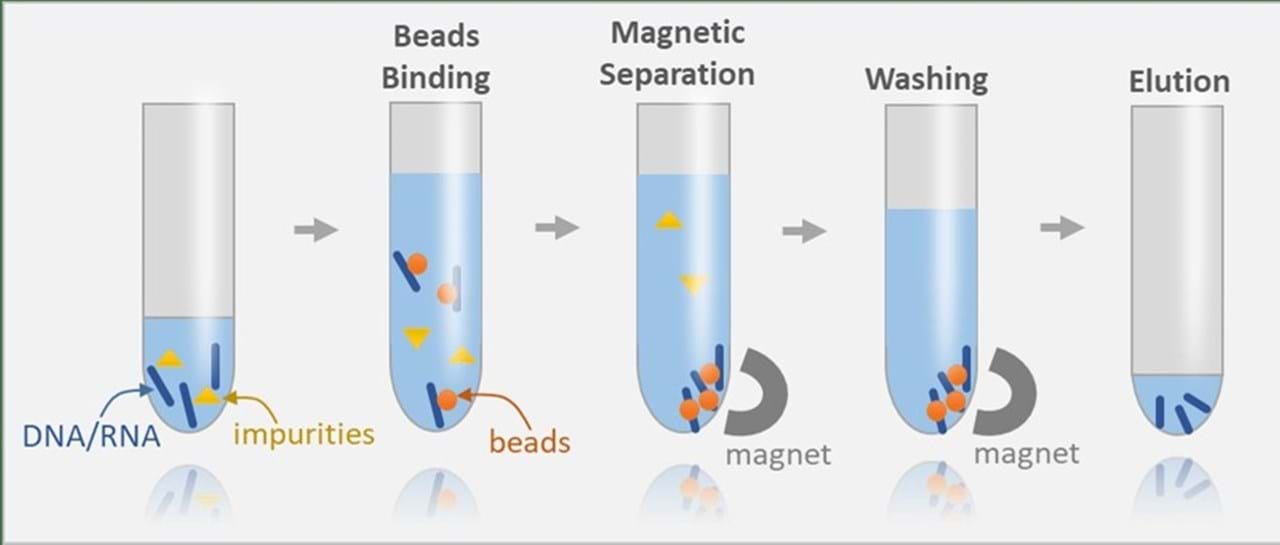
Diverse Techniques Towards a Unified Goal
Numerous DNA extraction methods exist, tailored to the specific requirements of the sample type and the intended use of the DNA. Whether employing chemical agents to disintegrate cell walls or utilizing physical means to achieve the same end, the objective remains consistent: to obtain clean DNA ready for subsequent research and analysis.
The Impact of DNA Extraction
The extraction of DNA opens access to genetic material that provides invaluable insights into biological diversity, disease diagnostics, and beyond. From identifying genes associated with diseases to recognizing species in ecological studies, DNA extraction serves as a gateway to exploring the vast expanse of genetic information that awaits discovery.
Related products


Tecan Fluent Mix and Pierce workstation

Tecan Smart extraction consumables

MGI DNBSEQ-G99 NGS/MPS Instrument
For more information please contact